

The 3-Second Profile Formula: Fix These Mistakes Before Your Next Note Goes Viral
3-second test: Would you follow yourself?

It happened, you finally made it!
One of your notes has gone viral. After trying for months finally a note took off! It’s been printed thousands times, another thousand people like it and other hundreds commented on it.
But hold on!
What happened? Your follower count didn’t go up?
How come? They clearly liked your Note, no?
Ahhh I see, they didn’t take your profile seriously. They thought that was only a normal user that doesn’t take this stuff seriously and they took that note as what it was. Only a Note. Not a small piece of a bigger plan.
Don’t worry, your note hasn’t gone viral yet and we still have time to fix your profile before it happens.
In this post I am going to explain what takes someone to follow or subscribe to your account and what mistakes we should avoid to optimize every profile visit.
Because sometimes the first impression is the last impression.
What it takes for someone new to follow you?
Lets start by describing what’s the process for someone new to follow you.
The first step is that they are going to read one of your notes or post and liked what you wrote.
This is when a note or post can go viral without them even seeing your profile.
What would it take for them to look at your profile?
Apart from your writing they’re intrigued by your name or profile picture and they want to know more, so they click (or hover the mouse over your name.)
Once they are here you have 3 seconds to make a good first impression. Your Bio has to confirm that the type of content you create is what they want to follow.
so we come out with this formula
notes/posts impressions x %people that visit your profile x %people that find your kind of content interesting to follow.
see how I said there people that find ”your kind of content.” Notice that I didn’t said people that find YOU interesting to follow. This is not about you. Is about what you provide to them. Will touch on that later. But first let’s touch on the first thing you should focus before optimizing your profile.
And that is...
1. Your Writing Has To Be Top Notch
If you review the formula, the most important step for anyone to follow you is that they need to like your writing. Focus your efforts on getting your writing the best it can be and after that everything will be much easier.
Because strong writing with a crappy profile is still better than crappy writing with a strong profile.
Let’s say that you are working on that already what would be the next thing to consider?
2. Profile Picture
Here are 2 ways to go about it.
You are having a faceless brand, or you are having a personal brand.
Both work, choose accordingly depending on what you want your Substack account to be.
For a faceless account focus on picking a picture that communicates what your account is about. The quicker it can transmit this, the better.
What I would recommend for Substack is to have your profile as your personal brand, and your publication as your editorial brand—they built the platform with this intention, take advantage.
The important thing is what are other users looking at first when they see your notes swimming down their stream.
The first thing they want to know is WHO wrote this?
So, they look immediately to your profile picture. Not the name, your profile picture.
Why? because during our life we have hundreds of conversations with people we don’t know their names, but we know their faces. So we are wired to weight more the faces than the names.
You follow?
When someone sees your profile picture they should feel like they’re walking into a five-star hotel. A picture that makes them instantly relax. With a big smile that spread a welcome feeling that they’re about to have an extraordinary experience.
Studies prove that big smiles increase sales, open doors, and create instant connection.
Now, imagine your face radiating that same energy.
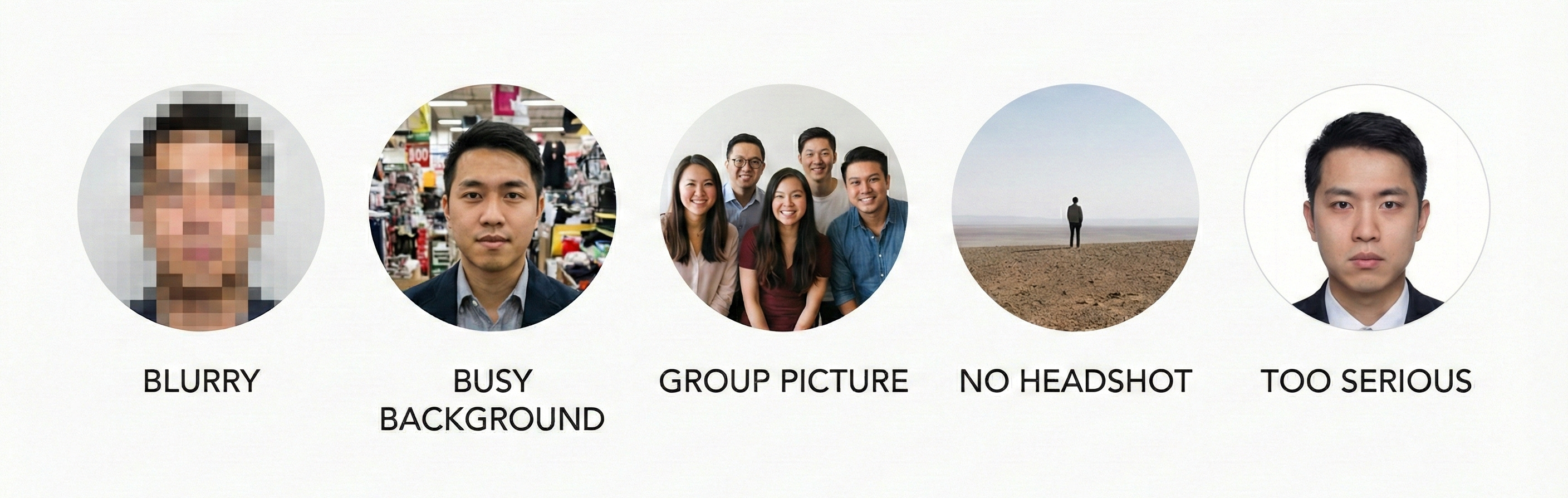
The other important thing to consider is that it needs to be professional.
There are no excuses anymore, thanks to Google Gemini and Nano Banana your profile picture can—and should—look like a professional headshot. Spend some time looking at some tutorials on how to do this and invest some time on it. It will be worth it.
This will send a powerful message: ”I care about how I show up. I’m serious about what I do. I’m someone you can count on.”
This combination of warmth and professionalism could what makes you hang the fully-booked sign.
Things to avoid
3. Your Display Name
If you’re chasing personal brand there is not much you can do here. You already have your own name.
But if you are thinking about picking a pen name. Look for a names that conveys the content you aim to produce.
Examples:
Jack Wealth
Queen Chess
Marc .dev
Muscle George
Corina Type
You get the point.
A word of caution: You want to avoid numbers, special characters, or anything confusing or hard to remember.
If you are going to use your name there is no harm to add some extra text explaining in 2-3 words what kind of content they can expect from your account.
In my case is my publication’s name. Which explains exactly what my account does.
Dave | Written Marketing
If you can’t explain what your account does in 3 words that is a topic for another post but you should start there.
Other examples:
John Manson | Wealth Management
Srinika Chopra - AI for busy founders
Nick Eat Clean
Kamila Sokolov · 50+ yoga
Mila Brown / Vegan Mom
Your Bio
Let’s imagine that all things are going for this note you wrote, it was great thoughtful writing, they liked, and they found your picture and name intriguing enough to click or hover over your name.
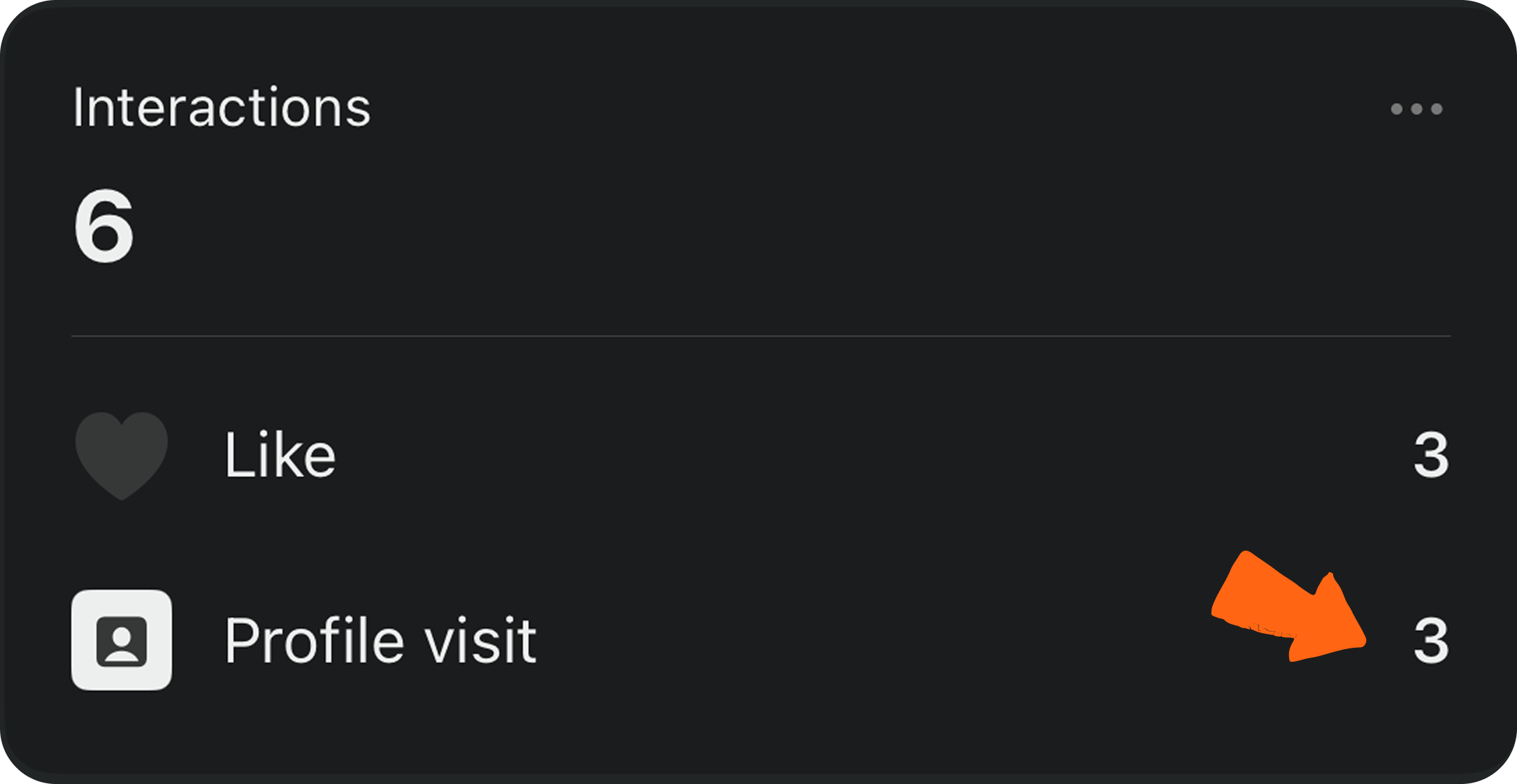
We came down to the make or break moment. If they don’t read what they want to read here they’ll leave never to return.
You have 3 seconds to convince them to subscribe. How are you going to do that?
Easy, by answering: Why should they follow your account?
If they’re interested they will follow.
Doesn’t need to be more complicated than that.
Even though is called bio, use it to appeal to your potential readers. Don’t talk about yourself, your readers are selfish. All they care about is themselves. What they want to know is what can you do for them?
Is what you talk about interesting enough to receive more of it?
We would have to answer this question in 150 characters.
There are many ways of writing this and there is not a right answer, but I want to give you some high-performing bio formats you can work around:
The “I Talk About” Bio
Framework: [Verb] about/on [Topic]
Writing about building SaaS products.
Sharing thoughts on personal finance.
Lessons on launching digital products.
The “I Help” Bio
Framework: I help [Who] [Outcome]
I help founders get their first paying customers.
I help creators turn attention into income.
I help families get control of your money.
The “Helping You” Bio
Framework: Helping [You / Who] [Outcome]
Helping you build a profitable SaaS.
Helping creators get paid for your work.
Helping you stop overthinking and take action.
The “Learn How To” Bio
Framework: Learn how to [Action / Outcome]
Learn how to grow an audience from zero.
Learn how to build habits that stick.
Learn how to turn ideas into products.
The “Get” Bio
Framework: Get [Outcome] (without [Pain])
Get clients without cold outreach.
Get fit without extreme routines.
Get clarity on what to work on next.
The “Challenge/Build in Public” Bio
Framework: Building [Thing] to [Goal], documenting the process
Building a SaaS to $100K MRR, documenting the process.
Growing a newsletter to 50K readers, in public.
Building a product from idea to revenue, out loud.
The “Learn by Watching” Bio
Framework: Learn how to [Outcome] by following the journey
Learn how to build a SaaS by watching one grow.
Learn how to grow online by following the journey.
Learn how to launch products by seeing it done live.
The “From Zero to Hero” Bio
Framework: From [Starting Point] to [Outcome], (in public)
From zero to $100K MRR, in public.
From idea to profitable product, in public.
From no audience to full-time creator.
The “For You If” Bio
Framework: For [Who] who want to [Outcome]
For people who want to learn video editing.
For founders building their first product.
For creators tired of posting without results.
The “Promise” Bio
Framework: Follow for [Clear Benefit]
Follow for simple ways to get your first customers.
Follow for practical money systems that work in real life.
Follow for clear breakdowns of how products actually grow.
These are ten tested formats that you can use to get inspired. You could also mix and match different styles to come up with a unique format.
Once the reader knows what’s in for them you can add what authority or credibility do you have to talk about this topic. If you don’t have any you can just use your personal story that explains why you talk about it.
For example.
I help solo founders ship faster after wasting months overthinking.
I help freelancers raise your rates after undercharging for years.
I help beginners start investing after learning the hard way.
Best practices
Use action verbs like Help, Learn, Get.
Make the reader the hero: use you and your.
Call out your target audience clearly (founders, creators, families, beginners).
One clear promise beats three vague ones.
Focus on outcomes, what they’ll get if they follow. How would they improve their life?
Be specific. If your promise could apply to anyone, it convinces no one.
Keep it simple enough to understand in 3 seconds and under 150 characters.
Things to avoid
Talking about yourself instead of the reader.
Long backstories or credentials.
Generic words like passionate, builder, visionary, thinker.
Listing roles instead of benefits.
Trying to sound clever instead of clear.
Explaining how you do it instead of what they get.
Using “I” everywhere (except for “I help”).
Your banner
At this point most of the job has already been done by all the thing we’ve spoke about. Your readers have a good idea about who you are and how you help them.
The banner is an after thought—that’s why it doesn’t show when you hover over someone’s name.
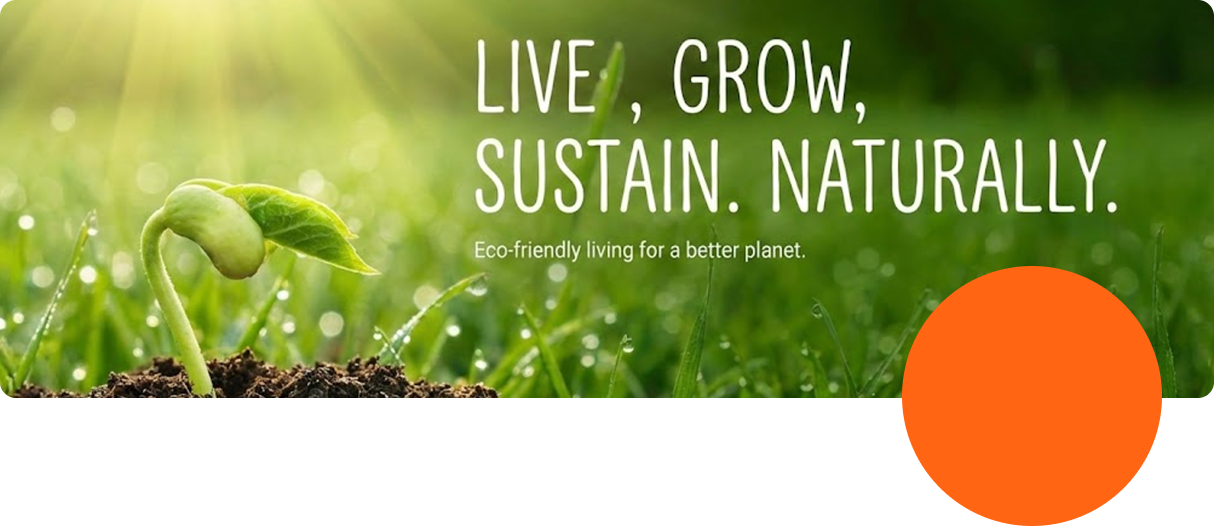
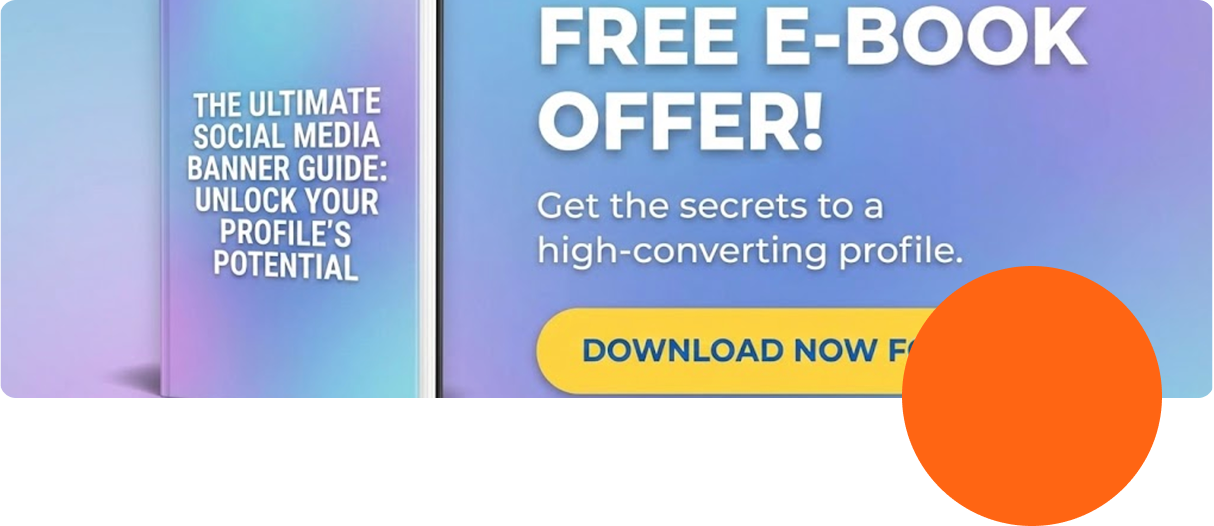
Use it to seal the deal. Show a little bit of your personality, or have a last message for them.
Simplicity. Aim for one clear takeaway. Don’t try to pack this with information.
Most people read it on the phones, and there’s not much space there anyway. Keep it concise.
For example:
Something that adds to your personality or philosophy. a quote, a graphic or a lifestyle pictures.



Something that gives more information about your mission. Add a slogan or a tagline that didn’t make the cut to appear on your bio.

Something that sells your offer. If you are offering a book, product, or a lead magnet. Put it there. But be mindful with the space and how it looks on phones.
Now is your turn
What is one thing of your profile that can be improved?
Think about this: If someone that doesn’t know you at all, lands in your profile. would they be able to tell what your content is about in 3 seconds? if not, do some changes.
Nailing this takes time so don’t be frustrated if your message is not clear at first. Every conversation, every new post will give you more clarity about what your account is about. Have these frameworks in mind and try to piece them together to form the full picture.
Being clear in your profile is the best confirmation you can give to someone that is deciding if you’re worth following.
Go to your profile and make these changes before your next Notes goes viral.