

Make It Different, Even If It’s Worse
Why your feed looks like everyone else’s and how to make your content stand out.

I once heard a podcast where Tobi Lütke ($SHOP) was paraphrasing James Dyson (DYSON).
”Make it different, even if it’s worse”
This really touch me because I recently learned this golden rule of marketing:
You want to differentiate your product from everyone else.
This has a very simple explanation. If there is no difference from your product to the competition, why would anyone choose you? Or even worse, why are you doing it if it already exists?
I’m saying this because recently I notice that many creators on Substack are copying Dan Koe style.
My feed is flooded with black and white thumbnails illustrations with titles like:
If you have many interest don’t waste the next 2 years of your life.
If you walk on 2 legs and breathe, this is how to fix your brain.
How to get ahead of 99% of people in 1:37h a day using flow.
I understand that copying “The Creator Godfather” will help you develop your writing and social media skill, but I need to burst your bobble right now. This is very detrimental for what you’re trying to accomplish.
How do I know? Do this experiment next time you write an article:
Cover your logo and name so you don’t know who wrote it. If you cannot differentiate it from a Dan’s piece, you are doing it wrong.
When people see it, they don’t think about you. They associate it with Dan, giving him even more free publicity. I’m saying this for the sanity of the whole place, we don’t need more Dans, with one is enough.
I saw this before with Daniel Dalen.
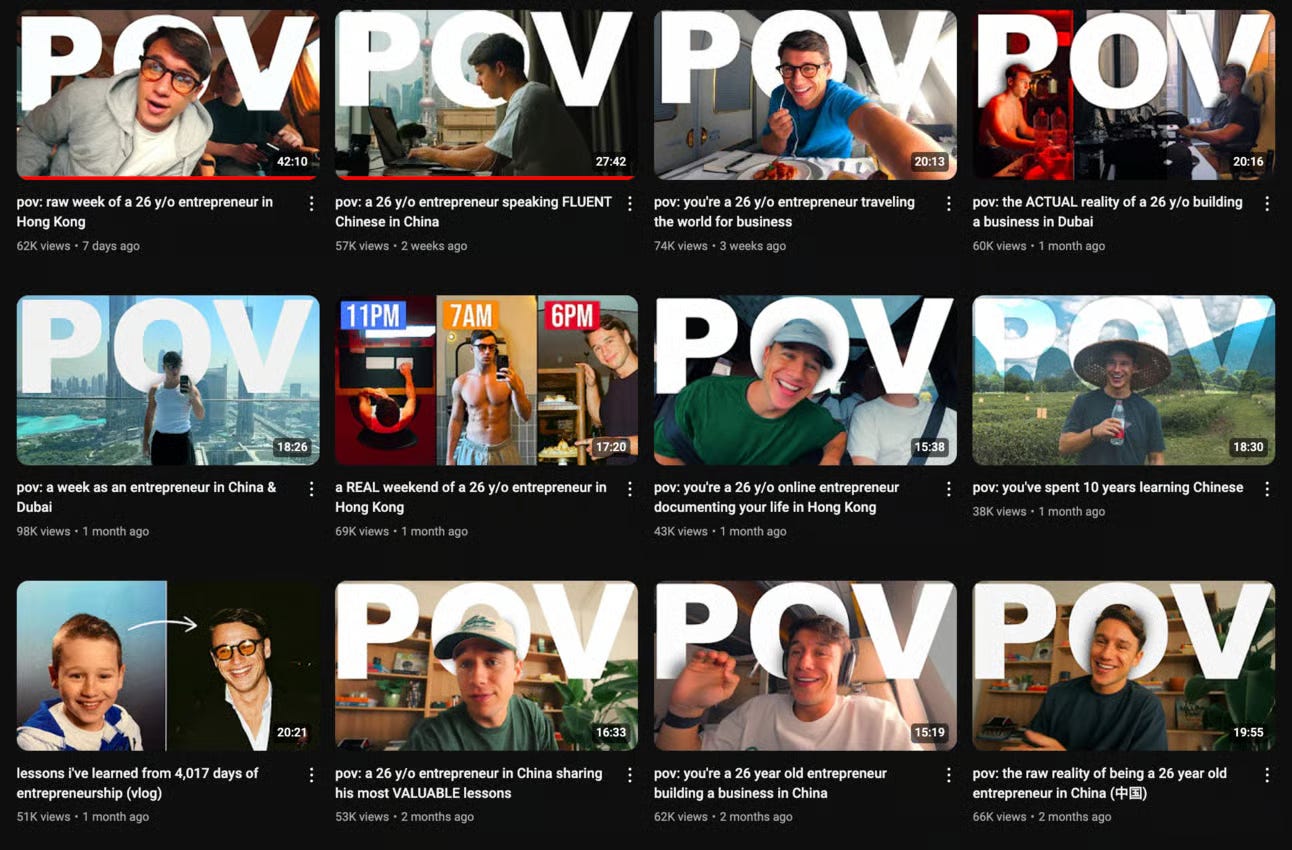
He came up with this POV thumbnail style and soon after hundreds of other creators were doing the same. But instead of creating their own brand, what they were doing is validating Daniel’s.
When all content looks the same the only brand that gets reinforced is the original one.
I get it, you are starting and is difficult to come up with the full fledge strategy from the get go, but I’m here to remind you, that eventually, you want to create your own thing and be recognized for your uniqueness.
That is:
The aesthetic you have
The topics you choose
The products you sell
All that, will become your brand.
Instead Of Being Better, Try To Be Different
In a social media feed where every post looks and sounds the same, being different is your biggest advantage.
This concept is known as the Isolation effect or Von Restorff effect.
in 1933 German psychiatrist Hedwig von Restorff identified that people were more likely to remember a distinctive item when it was presented alongside categorically similar items. The Von Restorff effect illustrates that when an element contrasts with others, it causes the brain to pay more attention, enhancing its memorability.
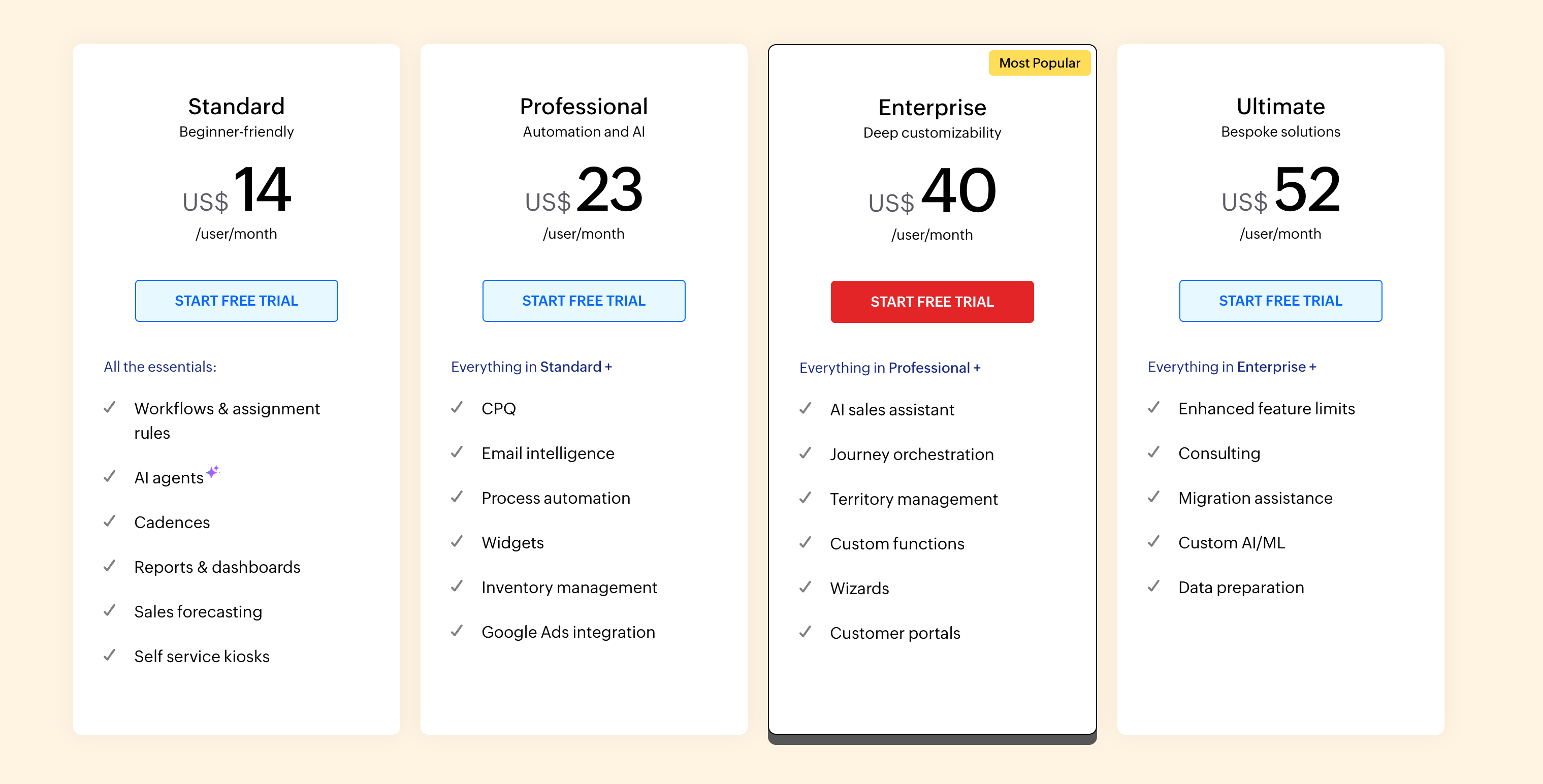
This concept is commonly used a in UI design. In this example we’re looking at zoho’s CRM pricing plans. They use the contrast to draw you attention to their Enterprise plan which is slightly different from the rest.
In the same way when your content is different, it suddenly stand out from the rest—regardless if it’s better.
[Update]
The space is alive!
While I was getting ready to post this, some information came out that confirms what we were saying.
Is Dan’s new app the cause of so many repetitive Dan Koe wannabes flooding the timeline? I don’t know. But I sure know if you indiscriminately copy other people’s content you’re never going to be recognized for what your brand stands for.
Copying is a diminishing returns strategy. You can copy winning hooks or trending topics, but every time that someone else uses it, it’s impact on others is reduced. Leaders lead, followers follow.
Getting inspired by other creators can work in the short term. But being recognized for your uniqueness? That’s the winning strategy for the long term.
How To Be Different In 2026?
Own a topic: writing about a specific topic is the fastest way to get recognize in the space. When someone thinks about that subject, your name should be the first one to come up. Being “the X person” is beneficial to attract readers that are interested in that specific topic.
Be specific: Go deep, not broad. Narrow, specific content that answers high-intent questions outperforms general advice every time. The riches are in the niches, as they say.
Personal stories over generic content: Replace generic information that could be written by anyone with personal stories that showcase your expertise and proves your authority in a way no amount of repurposed advice ever will. Generic information can come from anywhere, personal stories can’t be replicated.
Consistent, Distinctive Branding: Build a recognizable style or theme that becomes associated with your brand, ensuring you don’t look like everyone else. Consistent, distinctive branding means readers know it’s you before they even see your name. Your voice, your framing, your aesthetic are the signals that make you memorable.
All of this will takes time to refine it to the point you feel confortable with how your brand and content looks, It requires commitment. Most people won’t do it, because copying feels faster and safer. But for those who commits to it, their brands will become distinct, memorable, and authentically different.
Different often ends up being better, inherently, for two reasons:
First, you fit a specific type of person better than the alternatives.
Second, simply trying to be “better” might not result in you actually being better.
Whereas being different makes you automatically better to the person I mentioned in my second line.