

How To Write a Blockbuster
Michael Lewis & Andy Weir success secrets. Your obsessions unlock it.

Did you ever wonder why the best writers feel so unique?
At first I thought it was because they are experienced writers, and while that might be true I realized that is because they write about something specific (sometimes very specific) and somehow that’s exactly what hooks you.
There reason for that is because magnetic writing comes from the intersection of who you are and what you know. That intersection is yours alone. Nobody else has lived your exact sequence of obsessions, failures, careers, and curiosities. When you write from that unique angle, you become uncopyable.
New writers strip their personality out trying to sound smart. They write the generic version. The professional version. The version that sounds like everyone else in their space.
And they wonder why nobody reads it.
You will see two famous cases where only them could have written it. They will inspire you to write more around your unique interests.
What Can Michael Lewis Teach You About Writing From Your Weird Background?
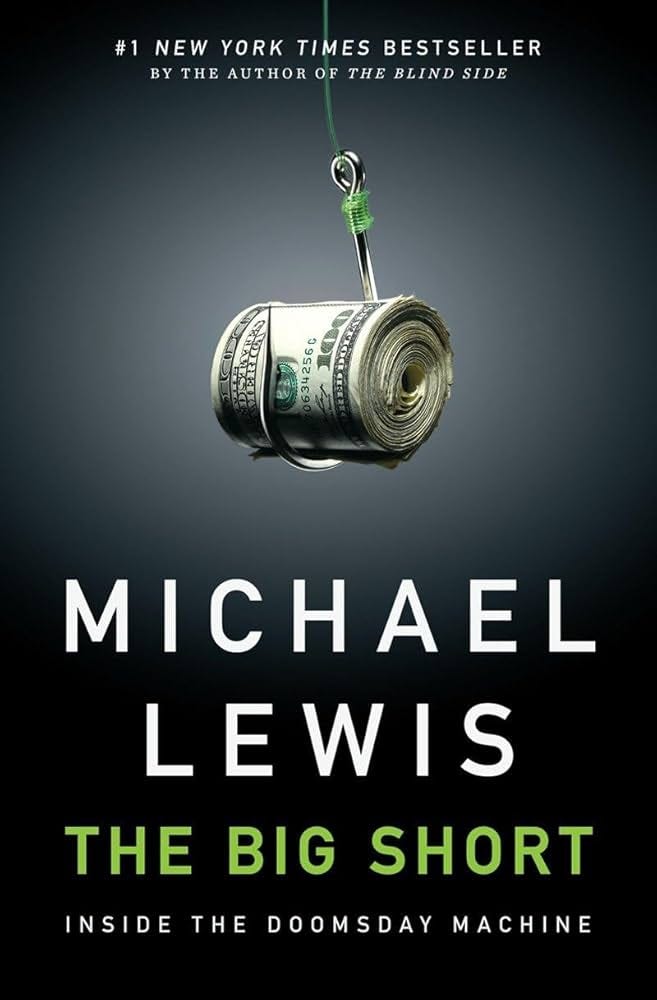
The Big Short was written from the perspective of an art historian turned bond trader who knew the jargon from the inside and also knew exactly which parts to translate into plain English.
He studied art history at Princeton before he did a master’s in economics. And somehow he ended up with a front-row seat to the birth of mortgage-backed securities in the mid-1980s. The exact instruments that detonated the global economy in 2008.
Wall Street in the ’80s was packed with people who understood those instruments deeply but Lewis could also see them the way an outsider would. That double vision, insider knowledge filtered through a humanist’s eye, is what turned a balance-sheet disaster into a page-turner.
So what’s your art history degree on Wall Street? What do you know from one corner of your life that nobody in your current field is applying? The thing that makes you feel like an outsider is probably the most valuable thing you bring to the page.
Lewis looks for a technical world that insiders take for granted, find the misfits inside it who see reality more clearly than everyone else, and tell the story through them. He did it with baseball in Moneyball. He did it with Silicon Valley in The New New Thing. He kept returning to the same pattern because that’s how his mind works.
You probably have an instinct like that too; a way of seeing things that keeps showing up across everything you do, a thread that runs through your work whether you planned it or not.
Most people dismiss it. Lewis built a career on it.
How Did Andy Weir Turn a Niche Obsession Into a #1 Bestseller?
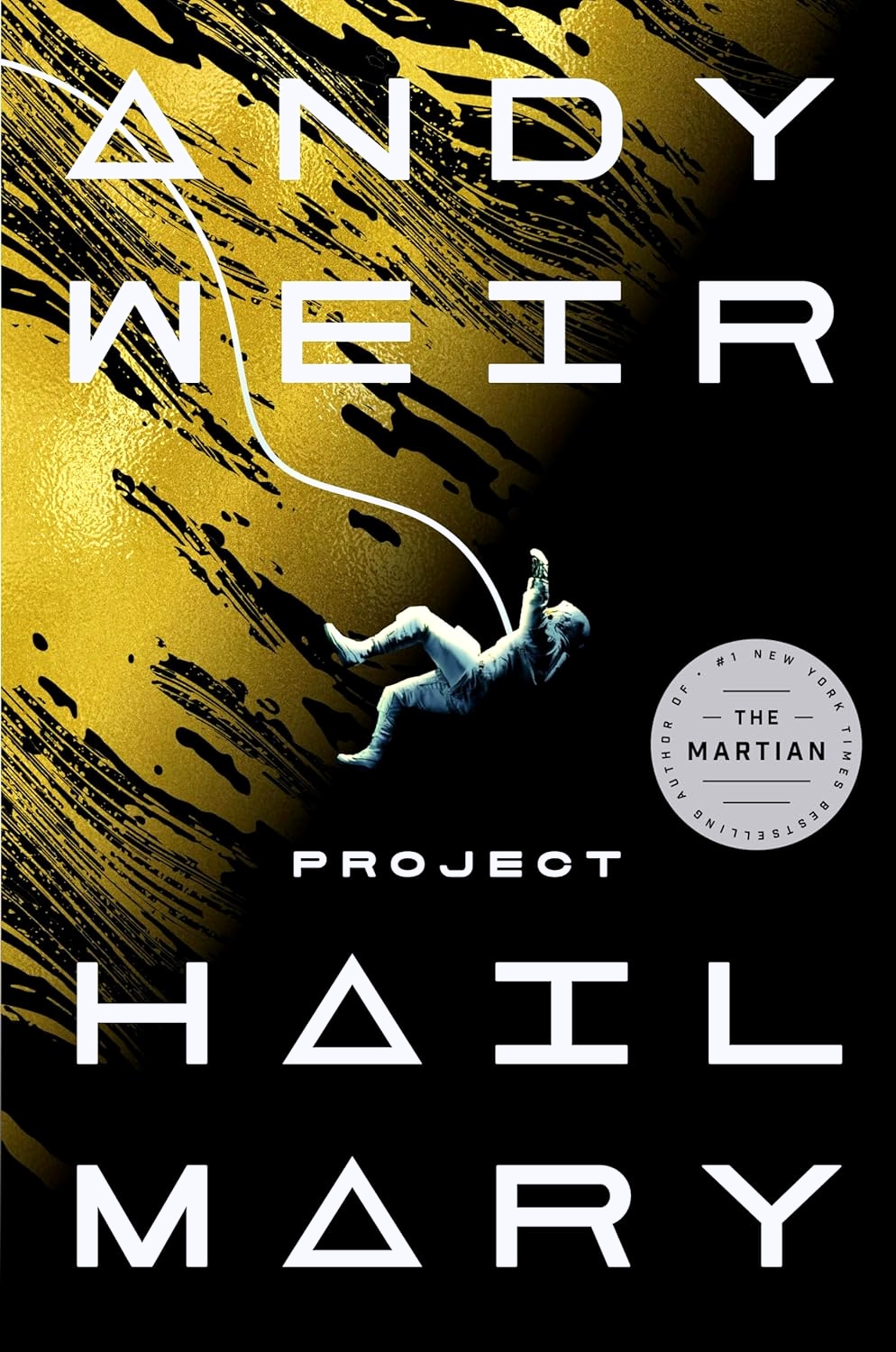
Andy showed his work in public and let it speak. From a free entry on his blog, to a kindle compilation of his best articles to a blockbuster movie.
Just a guy who loved hard science fiction since childhood (Asimov, Clarke, Heinlein) and couldn’t stop writing it—even when nobody was reading.
He’d post chapters to his personal website. A small mailing list of a few thousand fans would read them. That was the whole operation.
Sounds familiar?
Then his readers asked him to put The Martian on Kindle so they could read it more easily. He shrugged and listed it at the minimum price Amazon allowed: 99 cents.
Within weeks it was rocketing up Amazon’s sci-fi charts.
Publishers came to him. A movie deal followed. Ridley Scott directed it and Matt Damon starred in it. Grossing over $630 million worldwide.
He grew up in California. His dad was a particle physicist and his mom an electrical engineer, so hard science was normal dinner‑table talk.
At 15, he was already writing software at Sandia National Laboratories. And spent the next 25 years as a working programmer in companies like AOL and Blizzard. All that while writing science fiction on the side, for a few thousand readers who genuinely loved his stuff.
All of it started with a guy who couldn’t stop writing at the intersection of everything he loved—orbital mechanics, survival puzzles, the kind of sci-fi he’d been devouring since childhood. He even wrote his own orbital mechanics software to make sure the trajectory calculations in The Martian were accurate to the minute. That’s not a writer doing research. That’s a programmer who happens to write fiction. A man writing from the absolute core of who he is.
Project Hail Mary came from the same place: a pile of abandoned ideas he’d been collecting for years, fragments that never fit anywhere, concepts he loved but couldn’t find a home for. One day they snapped together. He built the physics constraints first and modeled what was actually possible.
”I first models the science (orbits, energy budgets, biology assumptions) until the numbers work, and only then I write the scenes on top.” Weir said.
Pretty incredible if you ask me.
He didn’t find his niche. He’d been living inside it for decades. He just finally started writing from the dead center of it instead of the safe edges.
Are you writing from the center of your obsessions, or from the edges where it still feels safe and generic?
I have tons of half-baked concepts for offers, blog posts, lead magnets, etc. laying around.
On at least one occasion, things have snapped into place - like that second author's situation here.
As for the "unique angle"...
An accountant-turned marketer who has effectively never worked a 9-5 is my fun little angle lol